
Welcome to the Philippine Ocean and Coastal Acidification Data Portal
We monitor and share data on ocean acidification in Philippine waters to support marine conservation and sustainable coastal management.
Submit data to the portalAbout the Data Portal
Climate Change & Coastal Acidification
Climate change is driving shifts in ocean chemistry, leading to coastal acidification that threatens marine life and ecosystem balance.
Rising atmospheric CO2 levels are altering pH levels in our waters, with significant implications for biodiversity, fisheries, and coastal communities.
Learn more about these pressing challenges and our efforts to monitor and mitigate their effects on [link to Ocean Acidification page]
Chemical Oceanography Laboratories (ChemOce Labs)

Welcome to the Chemical Oceanography Laboratories (ChemOce Labs) at the Marine Science Institute, University of the Philippines Diliman. Our research explores the chemical processes shaping marine ecosystems, with a focus on water quality, carbonate chemistry, and the impacts of environmental change on coastal and oceanic waters.
About ChemOCEReach Out To Us
SDG 14.3.1 & pH as an Environmental Indicator
The United Nations Sustainable Development Goal (SDG) 14.3.1 emphasizes the importance of ocean acidification monitoring through pH measurements.
As ocean chemistry changes, pH serves as a key environmental indicator, providing valuable insights into the health of marine ecosystems.
Discover how our research contributes to global monitoring efforts and supports sustainable ocean management on [link to Data and Resources page].
Our Research Areas
Nutrient and Carbonate Chemistry
Investigating ocean acidification, eutrophication, and carbon fluxes
Coastal Acidification & Climate Change
Understanding the impact of pH variations on marine life
Marine Pollution & Water Quality
Assessing human-induced changes in marine ecosystems
Blue Carbon & Ecosystem Services
Exploring the role of mangroves and seagrasses in carbon sequestration
Featured Highlights

ChemOce at Arribada 2025 
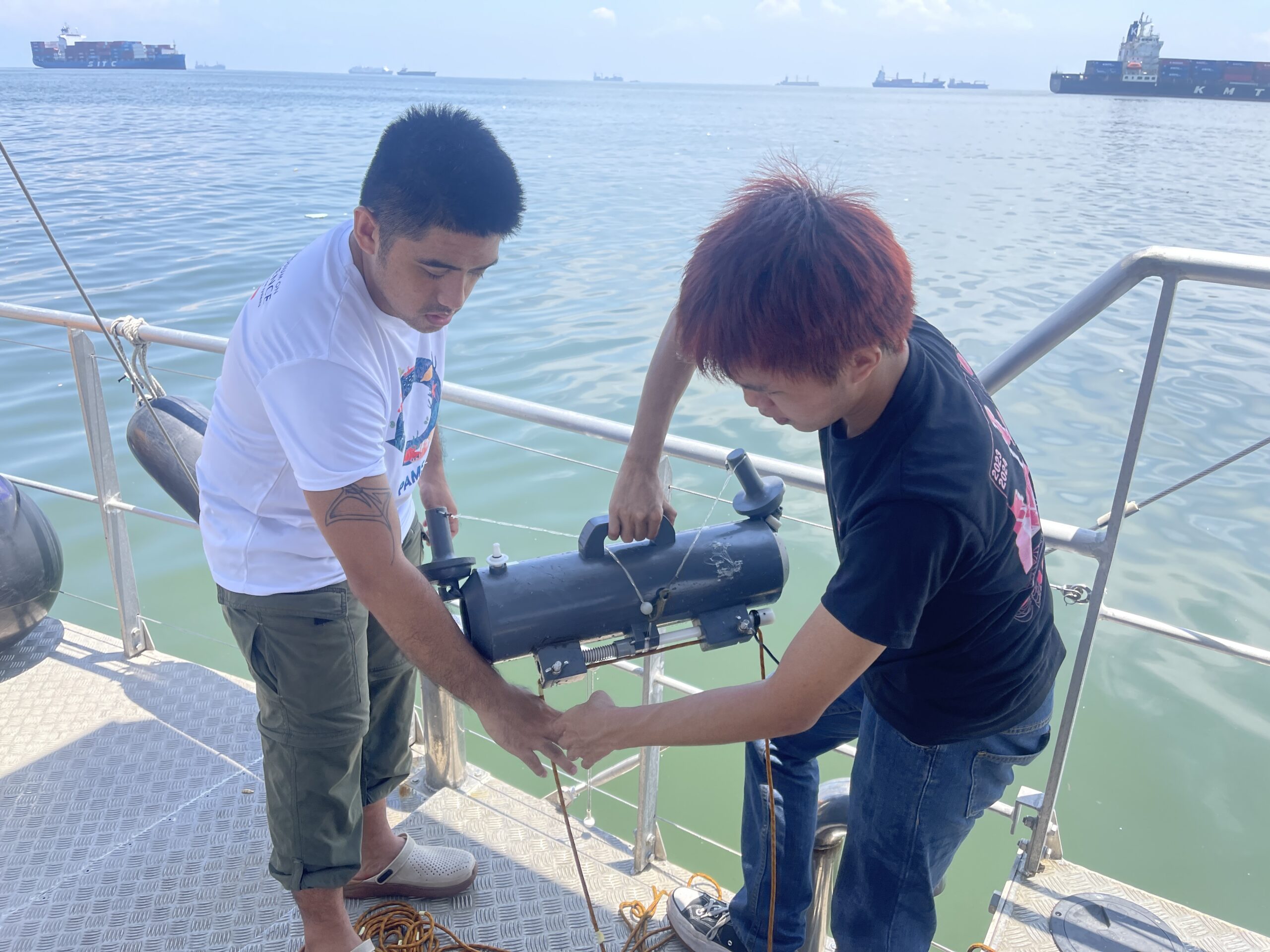
GOA-ON fieldwork in Pangasinan